
Preparation & Onboarding
How to Look Your Best on Camera, Even If You Hate Having Your Photo Taken
Hating the camera doesn't mean you're doomed to bad photos. Here's what actually makes the difference, and why most "bad photo" problems have nothing to do with how you look.
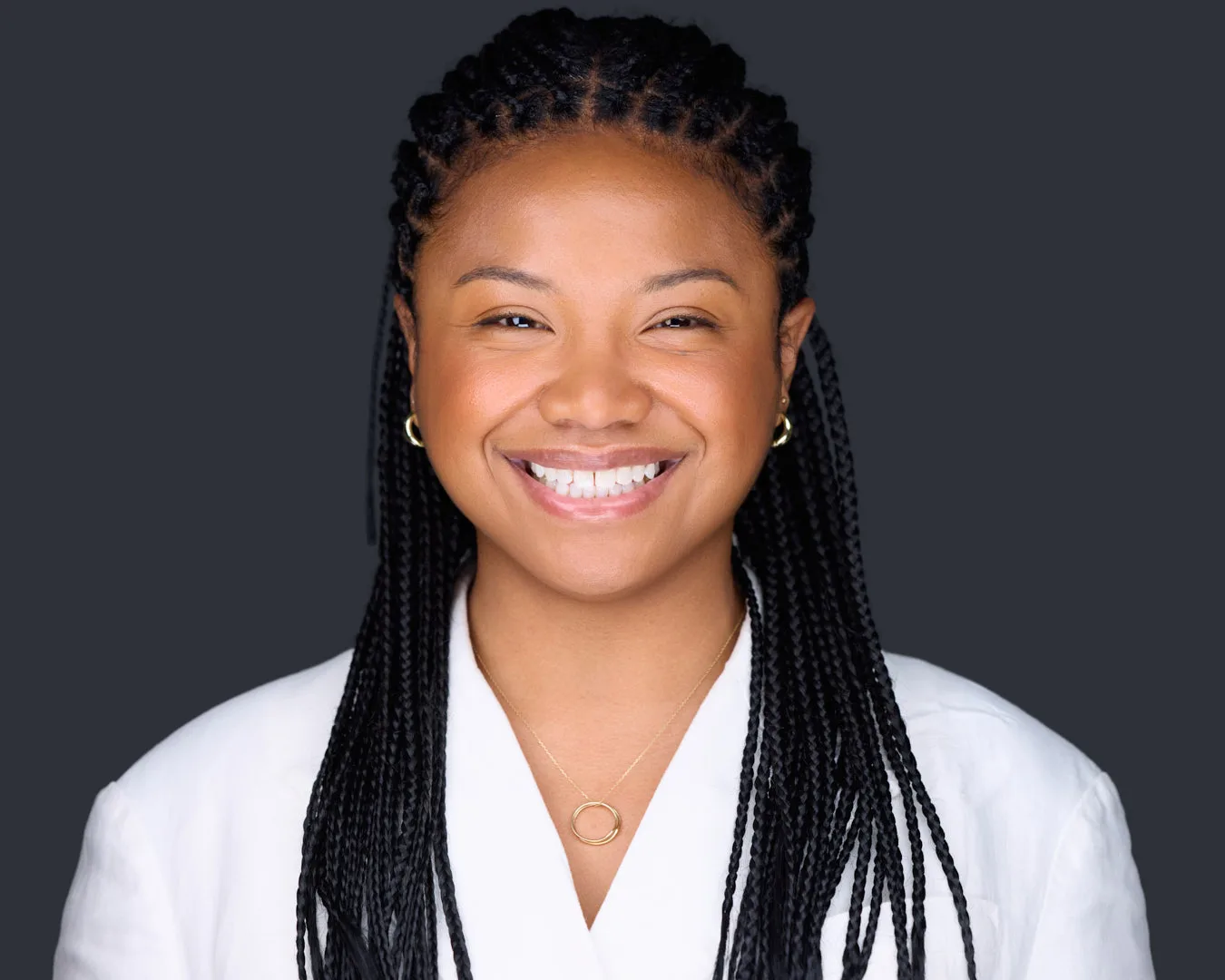
"I'm not photogenic."
I hear this from at least half my clients before a session. Attorneys who command courtrooms. Executives who present to boards. Entrepreneurs who speak confidently to rooms of hundreds of people.
They all say the same thing: put a camera in front of me and everything falls apart.
Here's what I've learned from photographing hundreds of professionals who've said exactly that: being camera-shy is not the same as being unphotogenic. The problem isn't you. It's almost always a combination of undirected posing, unflattering lighting, and the absence of someone guiding you toward your best expression in real time.
Let's fix all of that.
Why Most "Bad Photos" Happen
Before we talk about what to do, it's worth understanding why photos go wrong. In almost every case, it comes down to one of four things:
- No direction: When no one tells you what to do, you default to something that feels natural, which is usually symmetrical, stiff, and flat on camera. Cameras reward slight angles and asymmetry. Feeling normal often looks wrong.
- Unflattering lighting: Overhead office lighting, harsh flash, and bright outdoor midday sun are all deeply unflattering. They flatten the face, create shadows under the eyes, and wash out definition. Studio lighting is engineered to do the opposite.
- Self-consciousness: Being aware of the camera while trying to look unaware of it is an extremely difficult performance. It creates tension in the jaw, a tightness around the eyes, and a smile that doesn't reach them.
- Wrong expression timing: Most people's "camera face" (the expression they reach for when a camera appears) isn't their best expression. It's a reflex, not a choice.
Every one of these is solvable.
The Posing Adjustments That Change Everything
You don't need to be a model to photograph well. You just need to know a few reliable adjustments that almost always improve a photo:
The chin push
Bring your chin slightly forward and down, not dramatically, just enough to engage the neck. This simple move defines the jawline, reduces the appearance of a double chin, and creates visual separation between your face and your shoulders. It feels completely unnatural. It looks significantly better. Every photographer knows this trick.
The slight angle
Turn your body a few degrees away from the camera rather than facing it dead-on. This slims the frame, adds depth to the image, and immediately looks less like a passport photo.
Weight shift
When you stand completely upright with equal weight on both feet, it reads as rigid and formal. Shifting your weight slightly to one side, just a few degrees, softens everything.
Shoulders down and back
Tension collects in the shoulders and neck. Actively rolling your shoulders back and letting them drop before each shot removes the visual stiffness that the camera amplifies.
Finding Your Expression
The "say cheese" smile is one of the worst instructions in photography. It produces a specific, unnatural expression that nobody uses in normal life, a held, tense, performance of a smile rather than an actual one.
Here's what works instead:
- Think of someone you genuinely like. Not a concept, a specific person. The subtle shift in your expression is real, and cameras catch it.
- Smile with your eyes first. A great headshot expression often starts before the mouth moves at all. The squint of genuine warmth around the eyes reads far better than a posed smile.
- Let it drop and reset. Hold an expression, then let it fall neutral, then bring it back. The fresh version is almost always better than the held version.
- Try slightly parting your lips. A slightly open mouth relaxes the jaw, which relaxes the entire face. For a more serious, authoritative look, a closed-mouth, slightly upturned expression with engaged eyes often reads better than a broad smile.
What to Do With Your Hands
Since headshots are typically framed at the chest or shoulders, your hands usually aren't visible. But what you do with them affects your body language significantly, and your body language affects your expression.
If you're standing, let your hands hang naturally at your sides or lightly clasp them in front of you. If you tend to fidget, hold something small and lightweight just out of frame. It gives your hands something to do and reduces the mental effort of managing them.
The Breathing Reset
Between shots, take a slow breath in and release it fully before the next frame. This sounds small. It makes a real difference. Tension lives in held breath. A photographer can see it immediately in the jaw, the eyes, and the shoulders. A full exhale before each shot is one of the simplest and most effective things you can do to look more relaxed on camera, because you actually are more relaxed.
The best headshots don't come from someone who loves being photographed. They come from someone who trusted their photographer, followed direction, and stopped trying to manage how they looked. Give your photographer full control. Your only job is to breathe, take direction, and stay present. The rest is our job.
What a Good Photographer Does Differently
When you're working with someone who's done this hundreds of times, you're not just getting a person who knows how to use a camera. You're getting someone who knows how to produce an expression, who can tell when you're holding tension you're not aware of, who knows the exact chin angle that flatters your specific face, and who can create enough conversational ease in a session that your expression starts to look like something that actually happens in your real life.
That's the difference between a headshot that looks like a photo and one that looks like you.
Camera-Shy? That's Exactly Who I Work With.
My clients aren't models. They're professionals who need images that work, and who want to feel confident in the process. Let's build something you're proud to use.
BOOK YOUR SESSION